
Delivered at I19 Conference 2024, 2nd – 3rd May 2024, Virtual Conference.
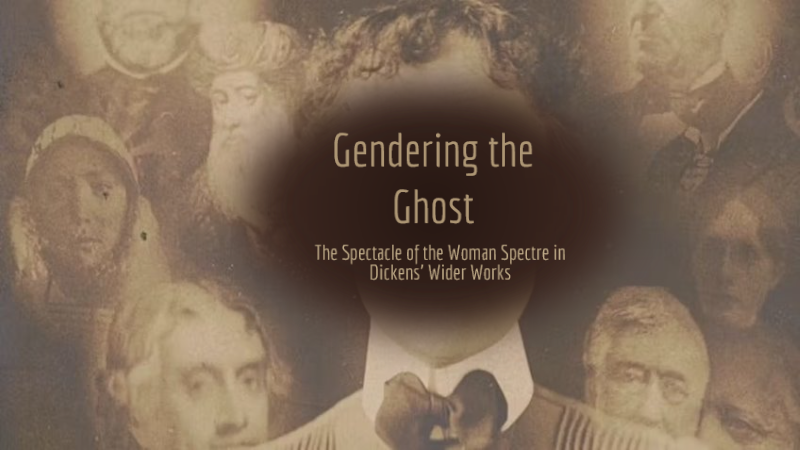
Whilst a level of contradiction is inherent in the concept of ghostly embodiment, the idea of spirits ‘under certain conditions, assum[ing] the [physical] form of a person’ grew alongside the rise of spiritualism throughout the 19th Century, with the rise in feigned ghost photography of the 1850s only strengthening these beliefs. The male ghosts of Dickens’ short fictions reflect this physicality and continue benevolent messenger tropes which go far as back as Virgil. His portrayal of disembodied female ghosts, however, mark a startling departure from the idea of the universal and beautiful ‘lady in white’. Mentioning the veritable pantheon of comedic, tragic and horrifying male ghosts who haunt Dickens’ tales throws his disembodied female ones into even sharper relief: Dickens’ female ghosts are silenced, reduced to disparate body parts and portrayed as eerie, ever-present observers who drive their murderers to madness. It also raises questions as to why they all share such distinct traits. Whether their fractured spectral forms are the result of their violent deaths, a reflection of underlying misogynistic beliefs about the ‘weak’ female body, or even a manifestation of Dickens’ marital anxieties, examining the sum of exactly what parts are leftover can provide fascinating insights about the whole role of the female ghost in his works.
Leave a Reply