
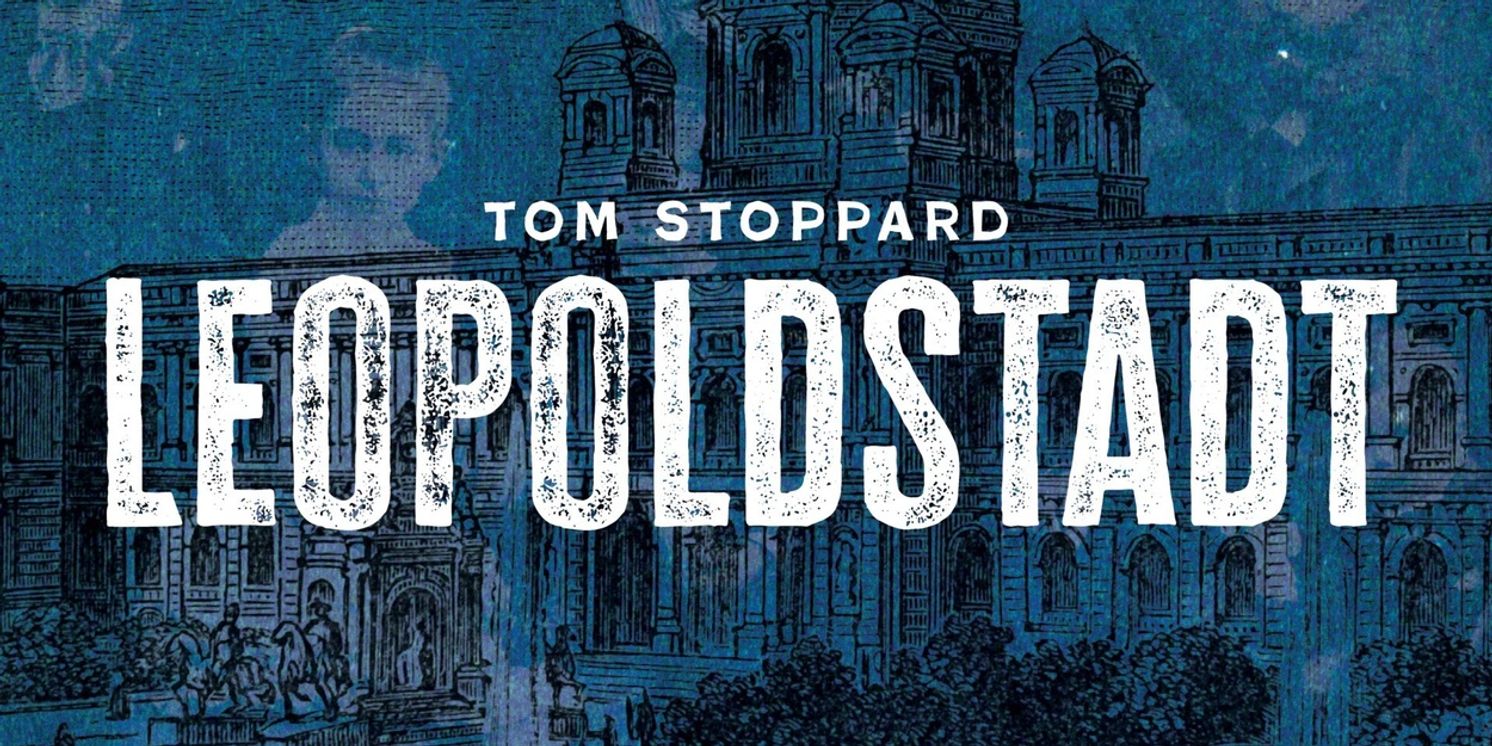

It’s rare to hear a theatrical production described as ‘difficult to watch’. The live nature of stagecraft doesn’t allow for the grotesque spectacles which can make a viewer flinch from the television: Tom Stoppard’s choice to avoid portrayals of violence, conversely, is what makes the play so unbearably tense.
Waiting for the inevitable gunshot or slap was enough to make me nauseous by the time I left the Gielgud Theatre, a physical discomfort even walking the half hour back to Waterloo could not shift. The only true bloodshed in the entire play is a young boy cutting his hand on a cup – an injury which acts as irrefutable proof of his origins as an adult – but the offstage violence is enough to produce a sense of dread. The play’s final act – a hysterical confrontation between three remaining family members – stunned the audience into fifteen minutes of silence.
Absolute silence.
The traumatised recollections of Sebastian Armesto’s Nathan were punctuated only by the audience’s increasingly laboured breathing, old and young alike brought to tears by the revelations of an entire family’s fate. By allowing the same story to unfold over fifty-five years the audience becomes familiar with the family members; watches the young children of the house grow into adults; watches the love lives of the adults twist and turn and untangle; and watches the insidious anti-Semitism of the play’s opening act take root and grow into a living nightmare.
The single living room which makes up the stage is stripped of both its luxuries and its inhabitants by the end of the 1930s: a design choice which deliberately makes the switch to a high end gallery in Belarus all the more jarring. Therein, after all, lies the crux of the play. The painting on the gallery wall is one the audience saw painted early in the action, an oil canvas of Gretyl surrounded by an ornate frame. We see the process of it being created, then completed, then we see it being stolen – ransacked from a terrified Jewish family forced from their once great home. The painting, ‘rediscovered’ fifty years later, is now simply entitled ‘Woman With a Green Shawl’.
Who does the painting belong to?
The answer is obvious. The international art laws are less so.
The three remaining branches of a brutally pruned family tree stand before the painting. They discuss the variety of unnatural deaths which befell the people the audience has grown to know throughout the course of the play, including that of its subject. The artwork belongs to their family and contains a relative: a beautiful, bubbly woman who loved and laughed and raised generations of her family. That they cannot reclaim the image before them seems almost akin to a further death.
Throughout this play, Tom Stoppard manages to ask some truly poignant questions.
‘Is it ever truly possible to forget the past that scars you?’ ‘If you can, is it right to do so?’
‘To whom does art truly belong?’ will haunt me.
Leave a Reply